I knew nothing of the Miners apart from my grandmother, Sybil Valerie Miners, until I started researching my ancestors to find out why all these different strands had converged in Swansea and made me who I am. I expected the Miners for some reason to be Welsh as far back as I could go. But no, they arrived in Swansea in 1871 and I can trace the Miners ancestors back to 1767 in Cornwall at least.
There are hints of my Miners ancestry back to the 12th century from aristocratic stock in Herefordshire — but we'll leave that for another day of painstaking evidence finding.
Bernard Miners — Cordwainer of Tregony
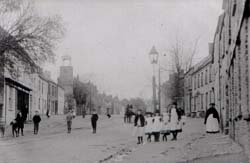
My story of the Miners journey to Swansea starts with my 4th great grandfather, Bernard Miners, who was born in 1767 in Tregony, a very small village. This was an area where the Miners name had been prolific for centuries, with lots of family clusters. It was also a time when Cornwall was transitioning to industrialisation with the rise of copper mining in the county.
There is some evidence that Bernard was active in his local community. In 1838, a Bernard Miners appears among the signatories to a petition asking for the Probus and Roseland District to be separated from the Truro Poor Law Union. As the petition was signed by yeomen and principal ratepayers, this entry probably refers to the older Bernard Miners of Tregony and Cuby.
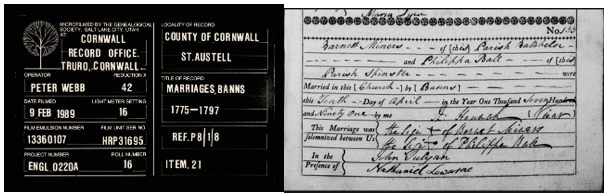
According to the 1841 census Bernard was a shoemaker. At the age of 24 he married Philippa Bell in St Austell in 1791 and they settled in Tregony. They had several children together and Philippa died in 1834.
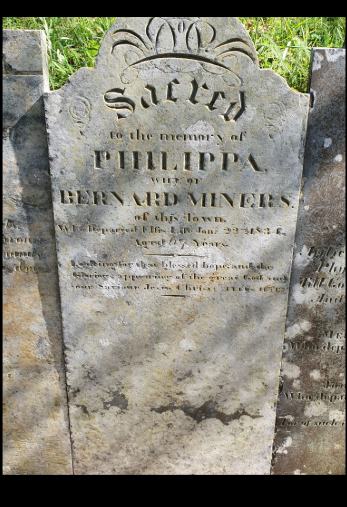
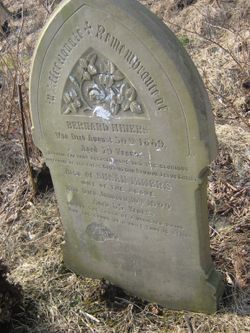
While on holiday in Cornwall we took a detour to Tregony to visit St Cuby Church, where his and Philippa's headstones are. We also visited Ladock Church, 7 miles away, where we found records of lots of families of Miners.
Bernard died in 1842. His will shows him leaving a modest estate under £100, including his house, his bed, cash in the bank or house, a live pig, bacon and potatoes — divided up amongst his children.
Bernard Miners — Tenant Farmer
The connection to Swansea began with Bernard's son, and my 3rd great grandfather, Bernard Miners, born in 1809. He lived with his father and mother until he married Susanna Cragoe in 1845. They had two sons and two daughters.
The repeal of the Corn Laws contributed to rural depopulation as farmers and labourers sought more stable work in cities and industrial areas. Small-scale farming declined, and from 1861 to 1901 roughly 20% of the Cornish male population emigrated every decade.
Many tenant farmers in Cornwall faced eviction or had to move frequently, often taking on new tenancies in hopes of better fortune. This was the situation Bernard and his family found themselves in, having to move from Tregony when his farm was sold. Various newspaper reports record his tenancies: in 1840 Bernard Miners had the tenancy of Tapper Meadow in Veryan, about 2 acres, at a yearly rent of £6 10s. Likewise Lot 13 in Veryan parish was described as being in his occupation, with house, orchard, garden, watering place and roadway into Tregony, containing 13 acres, 1 rod, 16 pitches.
In 1857, the sale notice for Wallis Downs in Cuby records the tenancy as then occupied by Anthony Clarke and Bernard Miners as yearly tenants, about a mile from Tregony. Again Bernard would have to move and start again.
For tenant farmers like Bernard and Susan, court cases for unpaid rent and bills were not uncommon as farmers struggled with unpredictable income from their land. Over the years, newspaper articles showed Bernard Miners appearing at the local county court several times, fined and imprisoned for unpaid rent and other bills, and for working horses who were lame and injured.
By 1870 Bernard was struggling, with two court appearances for non-payment of services and rent, and his wife and son getting in trouble and fined for assault.

From Cornwall to Copperopolis
This Bernard would be the first in the Miners line to leave Cornwall, setting the stage for the family's future in Swansea. There were strong connections with South Wales through the export of tin from Cornwall to the copper works, and at that time there were easy connections by boat across the Bristol Channel from north Devon.
The 1861 census saw the family still living in Cornwall, but by 1871 they were living in Swansea, with Bernard working as a farming labourer. His move to Clase Village marked a new chapter in the Miners family history, as they transitioned from the deep rural village of Tregony to the burgeoning world copper capital that Swansea had become. In those days Clase was a rural hamlet starting to develop into a place where copper workers would live not far from their places of work — a far cry from the rougher Clase I remember as a child, where I went to primary school. Although maybe the working class lads in the 1960s who rode horses round the streets were just giving a nod to their rural ancestors.
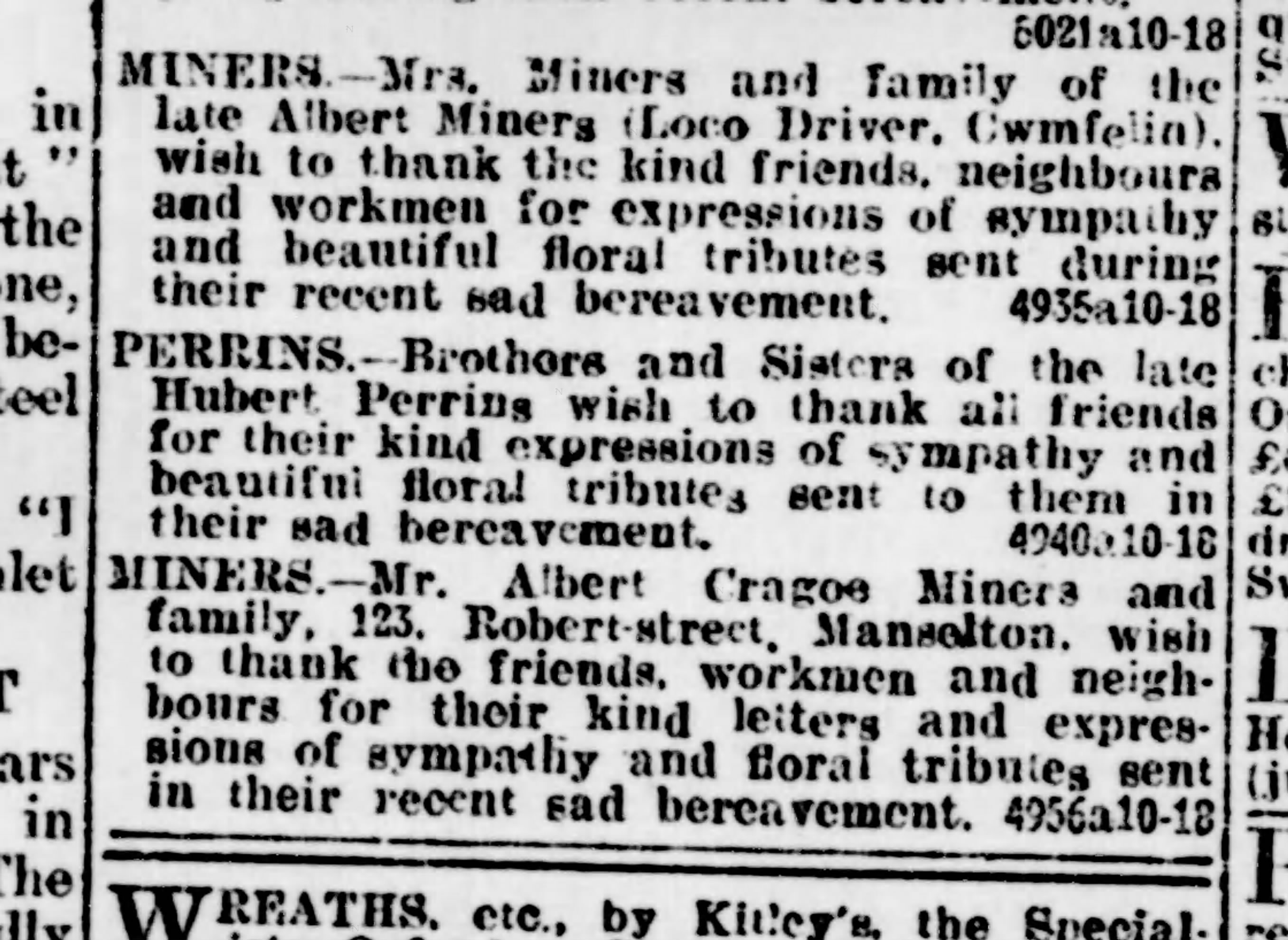
By 1881 the whole family are recorded together, with Bernard now working as a jeweller. He had moved to Plasmarl on Neath Road by 1884 and stayed there with his wife until he died in 1889. From the debts he had carried before leaving Cornwall, he was now able to leave a personal estate of £475 10s. 9d. — a respectable sum for a working Swansea family. Probate was granted to his sons William Bernard Miners, a jeweller, and Albert Crago Miners, an engine driver, showing how firmly the family had established itself in the city.
Albert Cragoe Miners — A Swansea Life
Bernard's son, and my 2nd great grandfather, Albert Cragoe Miners, was born in Tregony. As we've seen, he moved with the family to Swansea as an adult. Two years before the move he had been in court in Cornwall, charged with assault along with his mother, after getting in a spat with his neighbour and using a sweeping brush to strike him. A sweeping brush.
In 1871, at the age of 19, he is recorded as living in Clase with the rest of his family, employed as a furnace man. He seemed to settle into Swansea life well. In 1874 he married a local Welsh girl, Elizabeth Jane Jones, and had five children, including my great grandfather Albert Henry Miners.
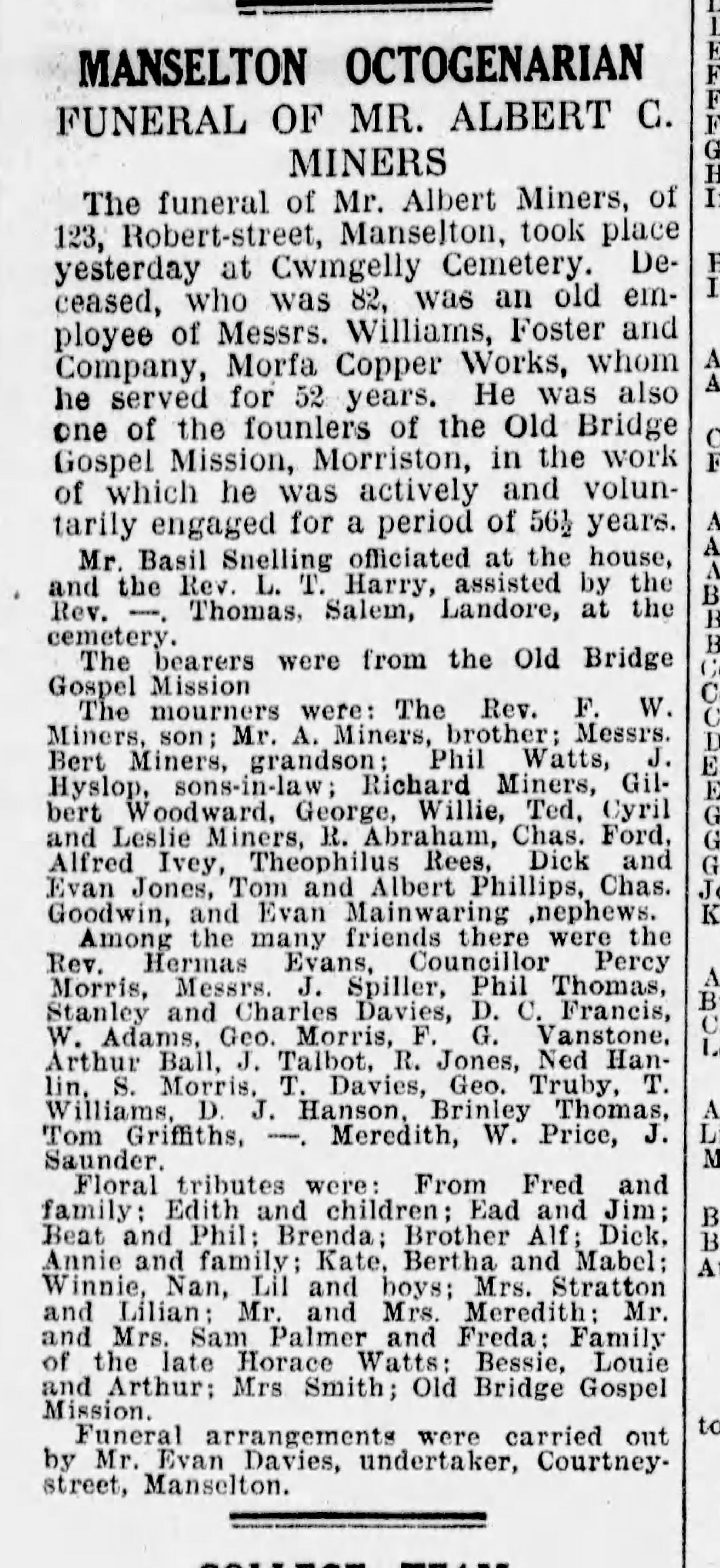
By the 1881 census Albert had become an engine driver at Messrs. Williams, Foster & Company, where he would work for 52 years. He must have been held in good stead, as company representatives attended his funeral ten years after he retired.
Living at 123 Robert Street, Manselton for 45 years from 1890 to 1935, Albert became a respected figure in Swansea. He contributed to the community by helping to establish the Old Bridge Gospel Mission in Morriston, where he volunteered for over 56 years.
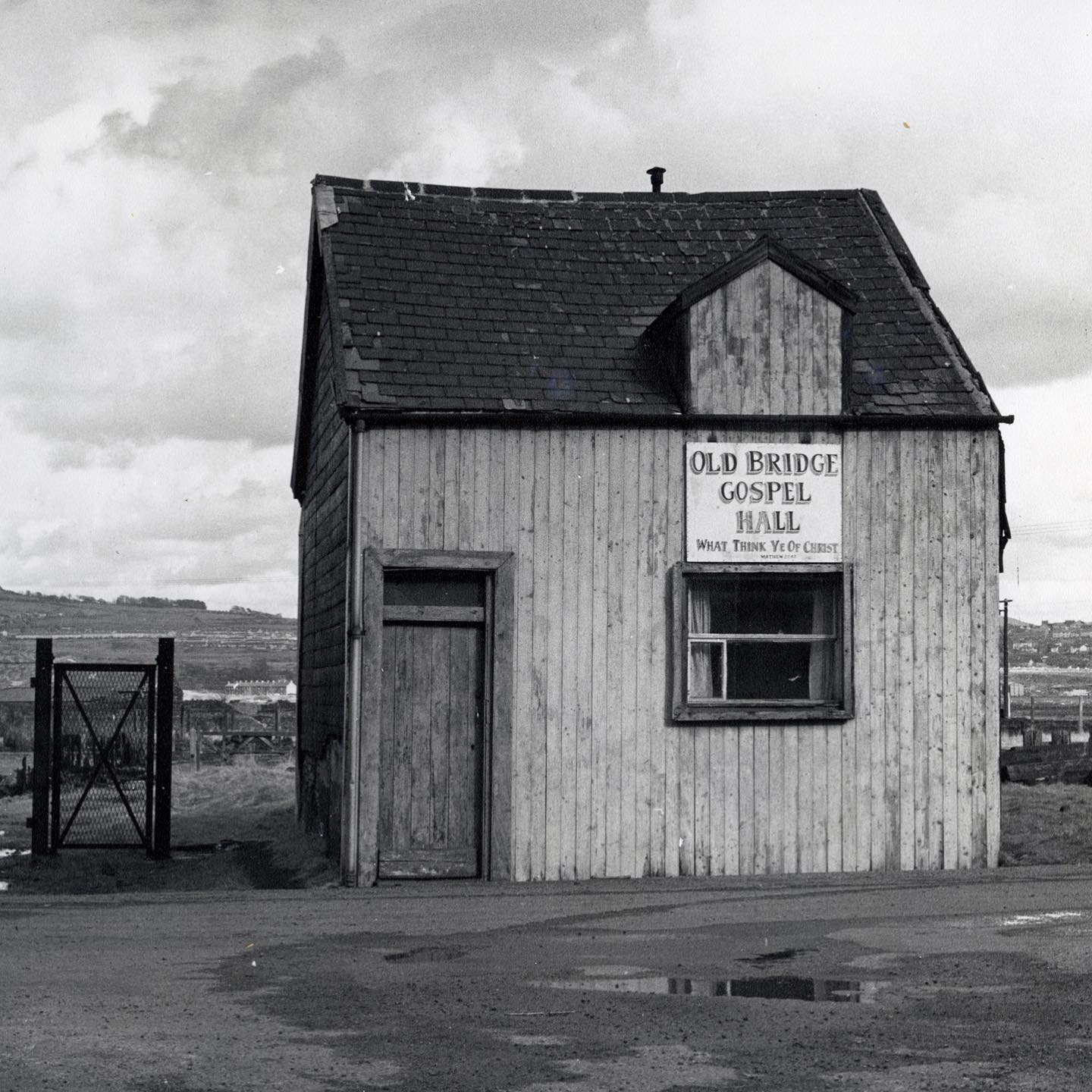
Albert Cragoe Miners died in Robert Street, Manselton in 1935, 65 years after moving to Swansea, leaving his children a legacy of just under £1000.
From Cornish to Welsh — Albert Henry Miners
Albert Henry Miners, my great grandfather, marked the first generation of my Miners ancestors to be born in Swansea. He was born in 1875 and married Edith Evans in 1899. They had four children, including my grandmother Sybil Valerie Miners. Starting off as an office boy, Albert had a very long career with Great Western Railway from the 1890s, according to his employment records.
Like his ancestors before him, Albert Henry travelled to where the work was, with his family in tow. He was posted in Exeter, Chester and Stourbridge as well as nearer to home in Cadoxton and Pontypridd. Two of his children, Violet and William, were born in Chester and Stourbridge respectively.
After his marriage he moved a few doors down from the family home to 126 Robert Street. This was a base for him for decades and he seems to have returned to this address after each posting across the UK. There was quite a community of Miners around the Manselton area — it was what he knew.
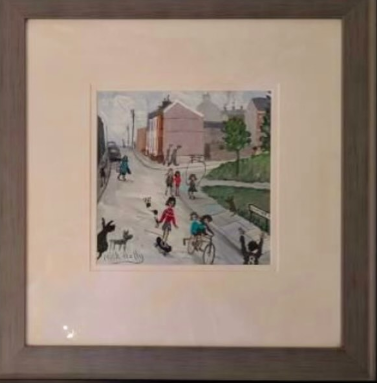
By 1921, at 45, he no longer worked for the railway and was now in the employ of Richard Thomas & Co of Cwmbwrla, a steel and tinplate manufacturer based in Courtney Street and Cwmfelin Street. Decades later, my sister would end up living nearby, and I would unknowingly buy a painting of the same street by Swansea artist Nick Holly.
Sadly Albert Henry passed away in 1923 at the young age of 47, leaving his family behind him. Edith lived at 126 Robert Street until she joined Albert in 1955.
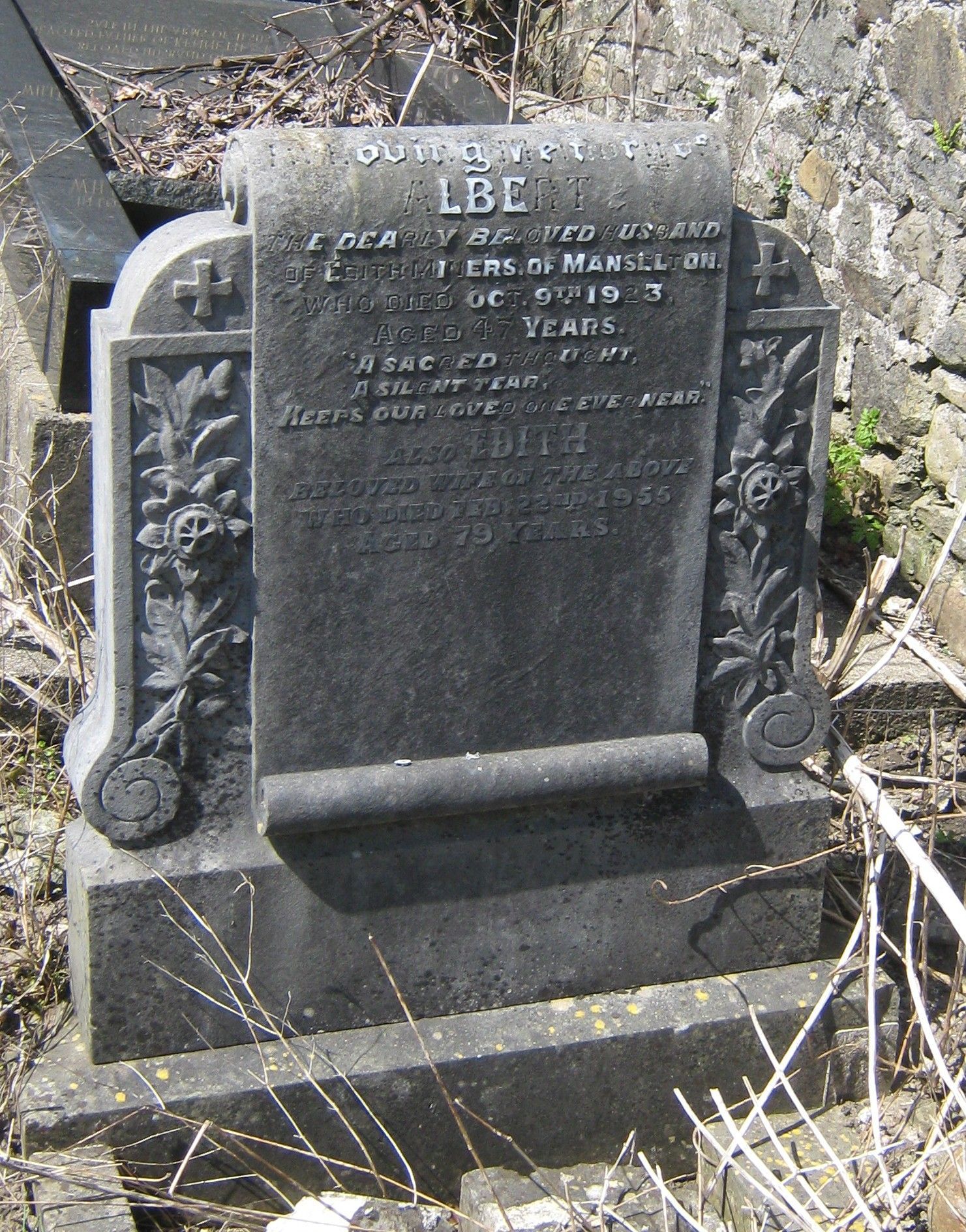
The Miners journey converged with the Guard line when Albert Henry's daughter, Sybil Valerie Miners, married Thomas George Guard — my grandmother and grandfather.
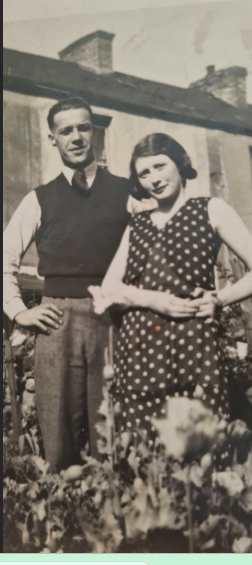
In another twist of fate, long before I knew any of this family history, my brother bought a house on Robert Street, only a short distance from where Albert Cragoe Miners, Albert Henry Miners and our grandmother had lived many decades before.
Image credits
All family photographs, census records and newspaper clippings are from the author's personal collection.